3D, AR and VR Development
For architecture and real estate firms, manufacturers and shipyards, we build 3D scenes that open in the browser, augmented reality (AR) on phones and virtual reality (VR) on headsets. Your clients walk through the project without installing an app.
Our 3D, AR and VR platforms
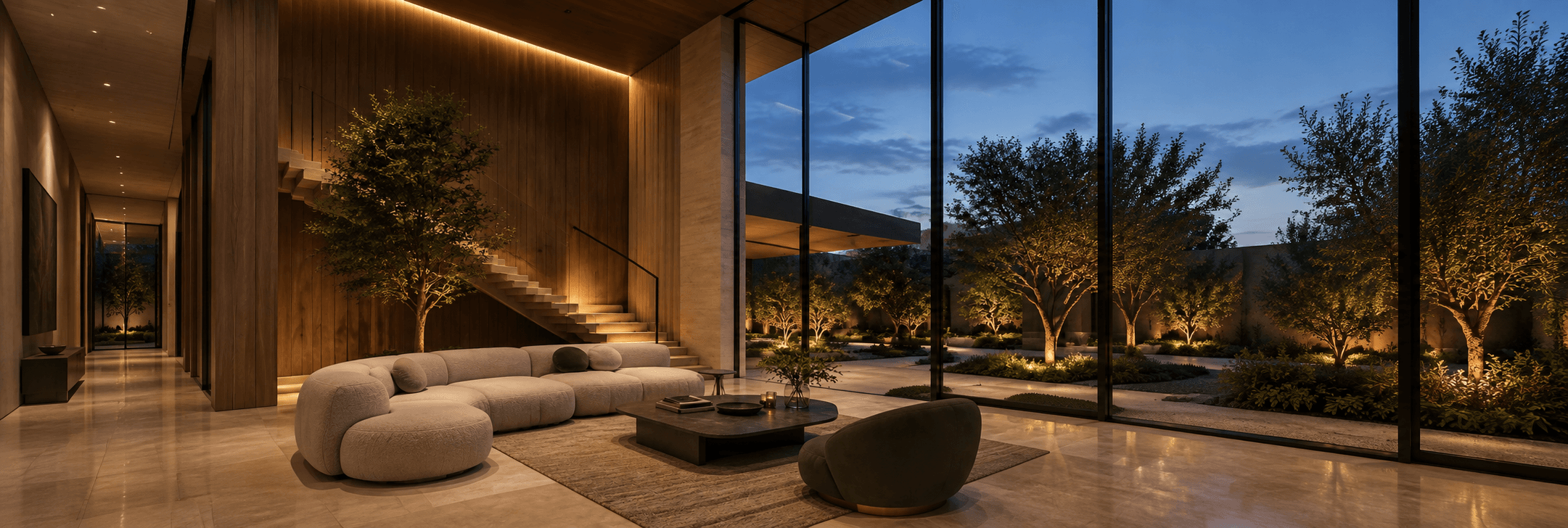

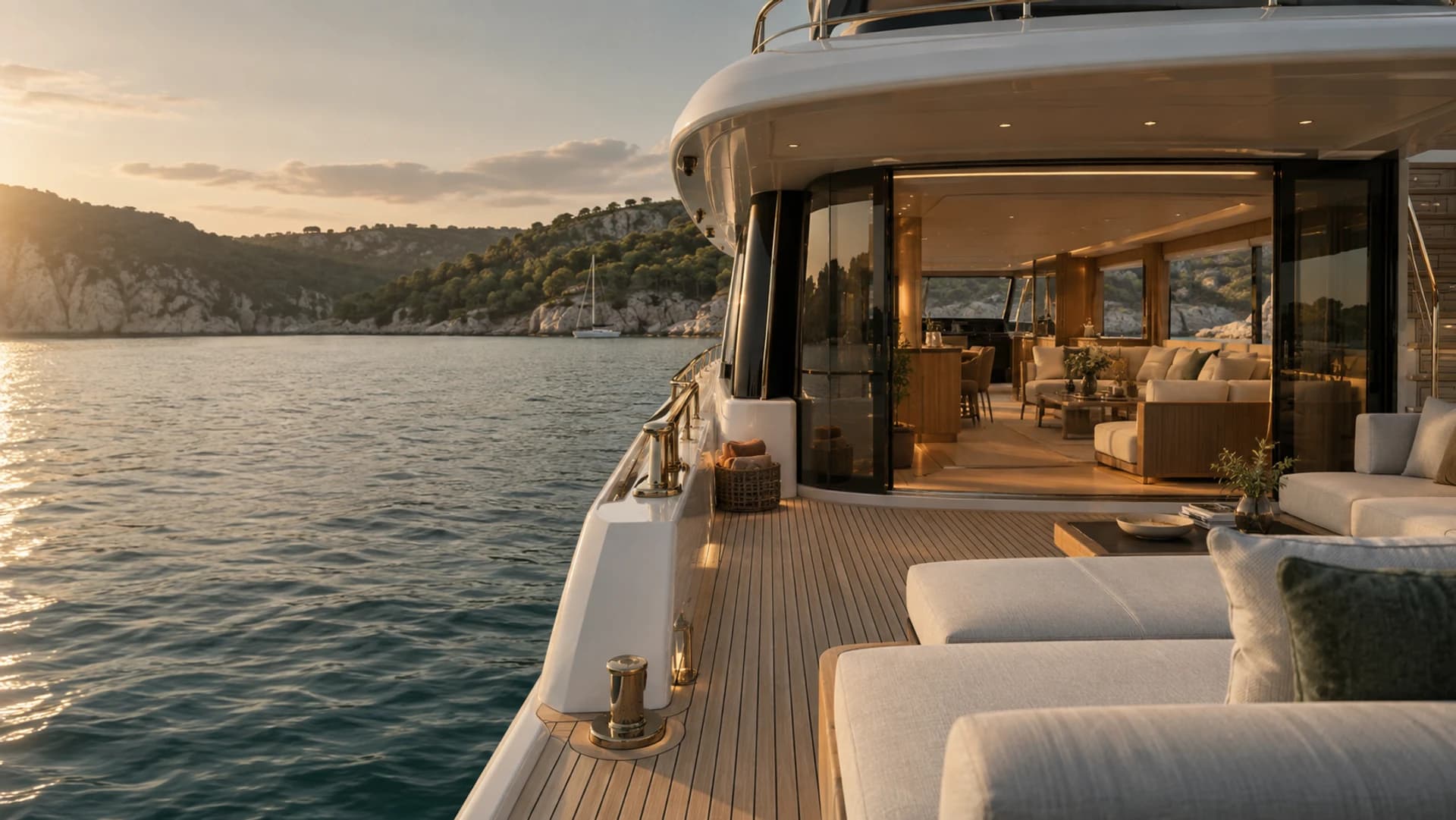
What's included
Browser-Based 3D Scenes
Interactive, walkable 3D scenes built with three.js and React Three Fiber that open in desktop and mobile browsers.
VR and Mobile AR
Step inside the space on compatible VR headsets with WebXR, or place the model in the real world on a phone with AR Quick Look and Scene Viewer.
3D Product Configurators
Model, colour, material and equipment choices shown instantly, with live pricing, shareable configurations and a quote request at the end.
Architecture and Real Estate Presentations
Floor plans, material options, measurement and section tools, comments pinned to the scene and access-controlled client links.
Yacht, Camper and Vehicle Presentations
Deck, cabin or interior walkthroughs with material and lighting options, for shipyards, yacht designers and vehicle makers.
Model Preparation and Optimisation
Models cleaned up in Blender and exported to glTF, with a USDZ version for iOS, geometry compressed with Draco or Meshopt and textures with KTX2.
Questions
Do users need to download an app for AR or VR?
Usually not. The 3D scene opens from a link in the browser; to place the model in the real world, AR Quick Look on iOS and Scene Viewer or WebXR on Android are enough, and compatible VR headsets open it in their own browser. Advanced cases such as image tracking or multi-user AR need a store app built with ARKit and ARCore.
How long does a 3D, AR or VR project take, and how is it priced?
It depends on scope and on whether 3D models already exist. A first version limited to one product or space typically takes 3–6 weeks, while platforms with several models and an admin panel can take 2–4 months; after a discovery call we send a transparent quote, as a fixed project price or a monthly retainer.
Why interactive 3D instead of renders or a 360-degree video?
Renders and 360-degree videos show viewpoints someone chose in advance. In an interactive 3D scene the client walks wherever they like, measures, and switches materials and colours, and every revision reaches them through the same link.
Can you use the 3D models we already have?
Yes. We clean up models exported from tools such as SketchUp, Revit, 3ds Max or Blender, convert them to glTF and compress them for the web. If there is no model yet, we plan the modelling work with you during discovery.
Which devices do 3D and VR experiences work on?
They open as a 3D scene in desktop and mobile browsers, as augmented reality on phones and as virtual reality on WebXR-capable headsets such as Meta Quest and Apple Vision Pro. We adjust visual quality to the power of each device.
What 3D, AR and VR projects have you built?
Our own platforms: SEYR Residence for architectural projects, the SEYR Camper 3D configurator for camper makers and SEYR Yacht for presenting yachts. You can use SEYR Residence directly for architectural projects, or have us build a custom experience with the same technology.
Related guides
All articlesMarketplace Integration Guide: Trendyol, Hepsiburada and Amazon
A marketplace integration guide for sellers in Turkey: sync products, stock, prices, orders and invoices across Trendyol, Hepsiburada, Amazon and n11.
Corporate Website Cost in 2026: What Drives the Price?
What does a corporate website cost in 2026? Learn the real cost drivers, from design and CMS to integrations and maintenance, with indicative price ranges.
UI vs UX Design: What Is the Difference?
UI vs UX design explained with practical examples: what each discipline covers, typical deliverables, how they work together and how to tell which is broken.
Next.js vs WordPress: Which Is Better for Your Business?
Next.js vs WordPress for business websites: compare speed, SEO, security, content editing and cost, and learn when a headless setup gives you both.