SaaS Development
We build SaaS products for startups and companies turning in-house software into a product, from architecture to subscription billing: multi-tenancy, payments, roles, an admin panel and an API. The same team builds our own products, BernSFA, BernCRM and SEYR.
Our platforms
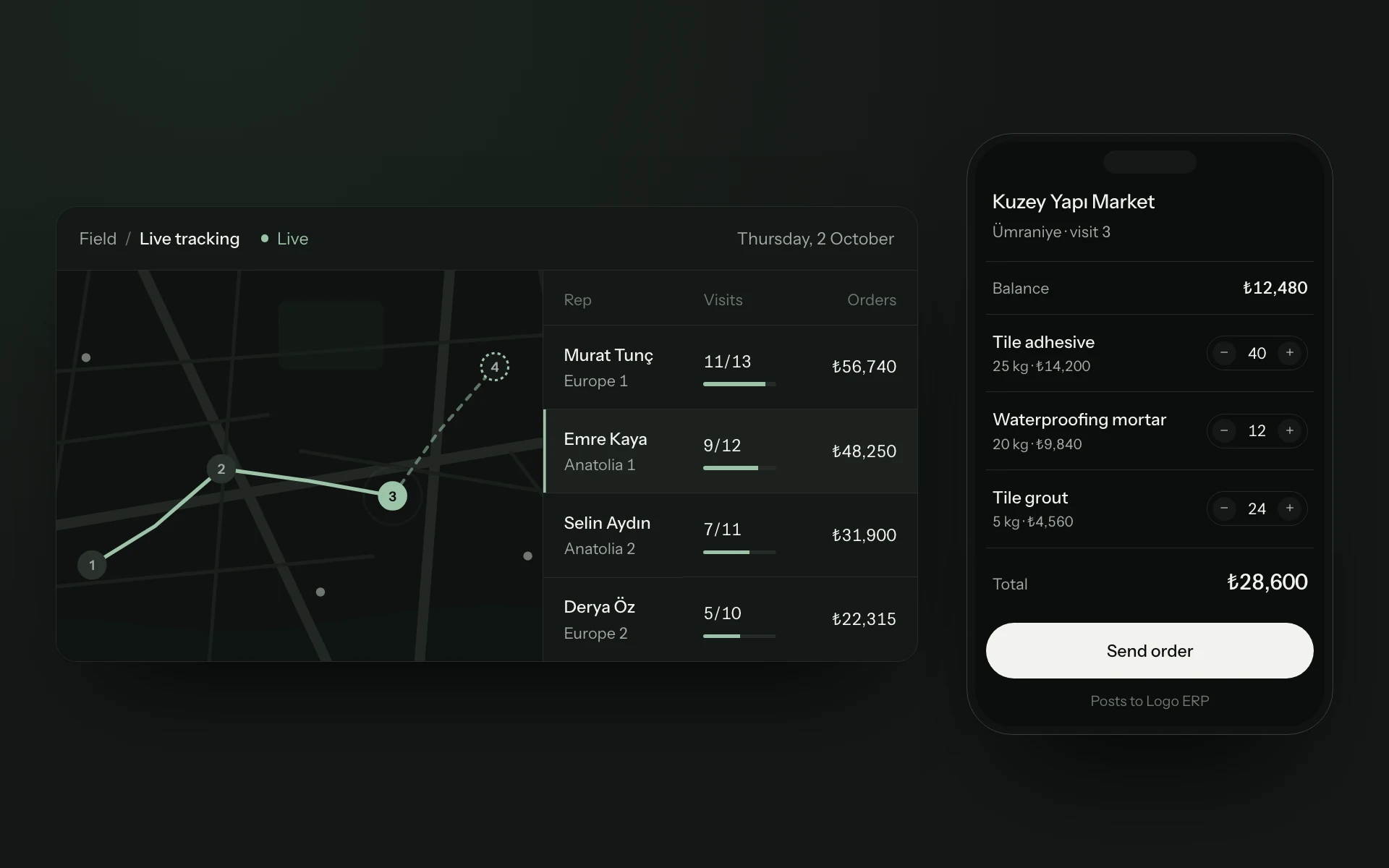



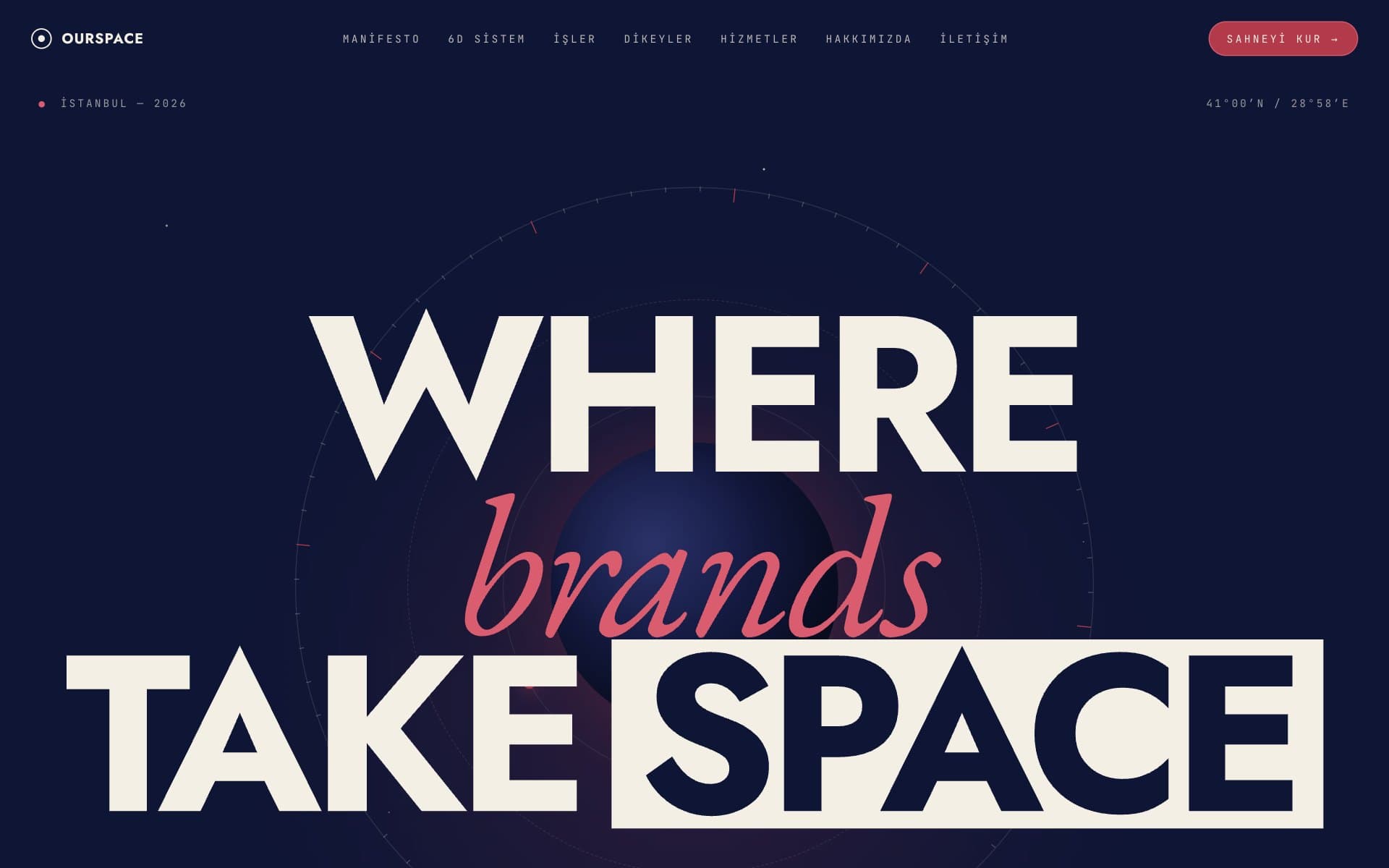
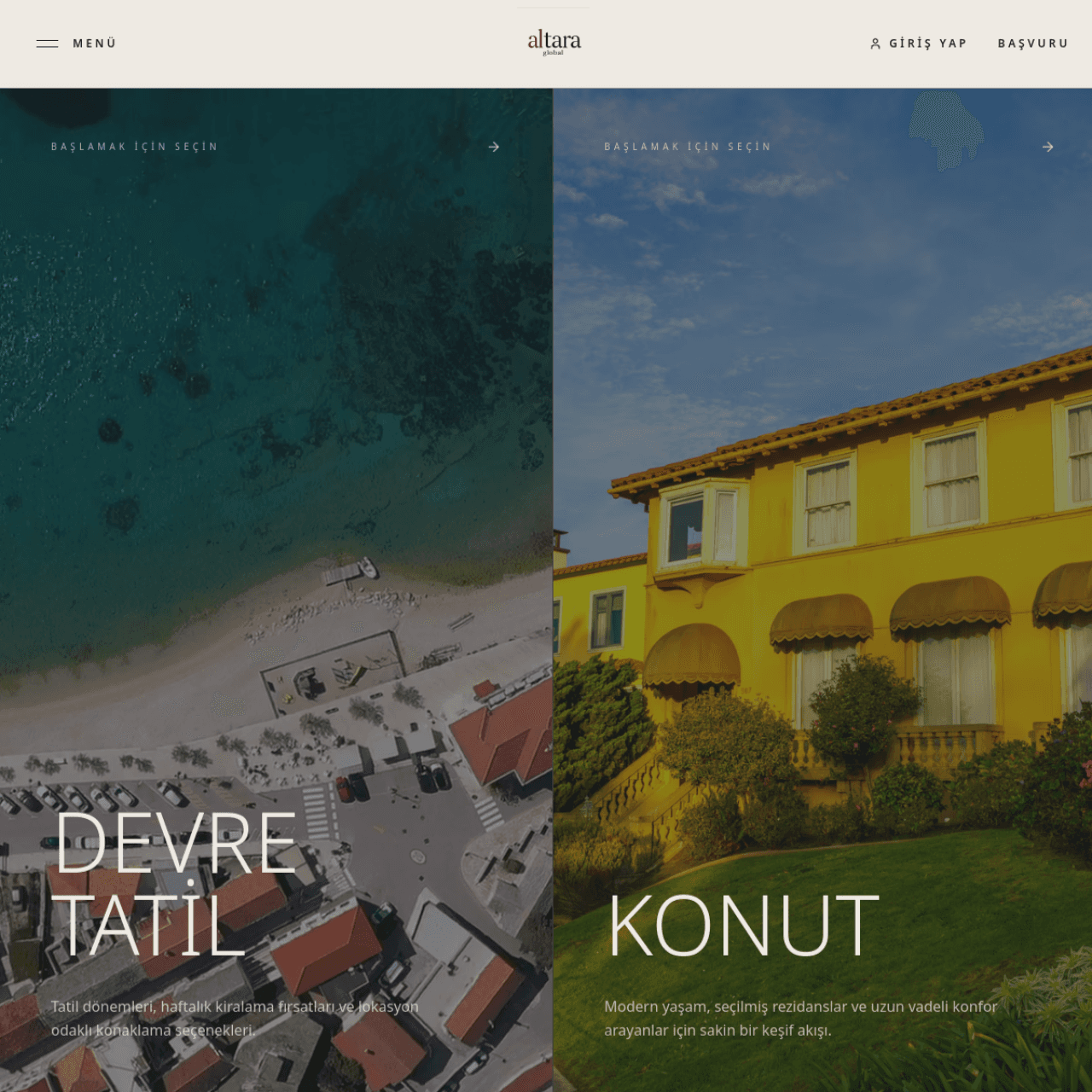
What's included
Multi-Tenant Architecture
A tenant model that separates customer data with row-level security or with separate schemas and databases, plus subdomain and custom domain support.
Subscriptions and Payments
Per-seat or usage-based plans, free trials and failed-payment handling, with payments through Stripe or iyzico and e-invoicing for customers in Turkey.
Roles, Permissions and SSO
Organisation, team and role-based permissions, two-factor authentication and SAML or OpenID Connect single sign-on for enterprise customers.
Onboarding and Admin Panel
A setup flow that walks new users through the product, usage analytics, and an admin panel for customers, plans and support requests.
Public API and Webhooks
A documented REST API with API keys and webhooks, so your customers can connect your product to their own systems.
Infrastructure, Monitoring and Privacy
Automated backups, error and performance monitoring, audit logs, and data retention and deletion flows designed with KVKK and GDPR in mind.
Questions
How long does it take to build a SaaS product, and what does it cost?
A SaaS product with billing, roles and integrations usually takes 2–4 months; if you start with an MVP that tests the core flow, the first release can ship in 3–6 weeks. After a discovery call we give a transparent quote as a fixed price or a monthly retainer, and you can outline the scope beforehand with our project planner.
Can you turn our existing software into a SaaS product?
Yes. After reviewing the codebase and data model, we add tenant separation, subscriptions, roles and onboarding, and move your current customers to the new structure in planned steps.
How is customer data kept separate in a multi-tenant SaaS?
We filter every query by tenant, add PostgreSQL row-level security as a second guard in the database and check the separation with automated tests. Enterprise customers who need stricter isolation can have a separate schema or database.
Should our SaaS use Stripe or iyzico?
Products selling in Turkey usually use iyzico. Stripe does not currently open accounts for companies based in Turkey, so teams selling globally typically use it through a company set up abroad. We keep the billing layer independent of the provider, so you can run both.
Can we also install our SaaS on a customer's own servers?
Yes, if it is planned from the start. Alongside the multi-tenant cloud version, we set up separate installations from the same codebase for enterprise customers who want their data on their own servers or in their own country, and ship updates to all of them the same way.
Who maintains the product after launch?
We can, through monthly support packages that cover monitoring, updates and new features. When you build your own team, we hand over the code, infrastructure and documentation in a planned handover.
Related guides
All articlesSaaS Product Development Guide: Architecture and Billing
A practical SaaS product development guide: multi-tenant architecture, subscription models, payments with Stripe or Iyzico, MVP scope and security basics.
What Is an MVP and How to Build One: A Practical Guide
What is an MVP and how do you build one? A practical guide to scoping a minimum viable product, prioritising features, cost drivers and what to measure next.
Marketplace Integration Guide: Trendyol, Hepsiburada and Amazon
A marketplace integration guide for sellers in Turkey: sync products, stock, prices, orders and invoices across Trendyol, Hepsiburada, Amazon and n11.
How to Choose a Software Development Company: 10 Questions
How to choose a software development company: 10 questions to ask about portfolio, team, process, pricing, code ownership and support before you sign.